A marketplace AI experience focused on turning high-friction, trust-sensitive decision-making into clear, confident user choices through transparency and personalization.
On Credit Karma’s new Member Experience team, we were tasked with introducing AI into the product for the first time.
The real problem wasn’t the technology, it was trust. Users were interacting with AI in a financial context where clarity and confidence matter more than novelty. We needed to design an experience that made AI feel useful, transparent, and safe enough for members to rely on in decision-making.
We started by working closely with engineering to map the constraints and capabilities of integrating AI into the product. This helped ground the exploration in what was technically feasible, not just conceptually interesting.
User research and survey data revealed a clear trust issue. Members felt the experience was too sales-forward and not personalized enough, which reduced confidence in credit card recommendations.
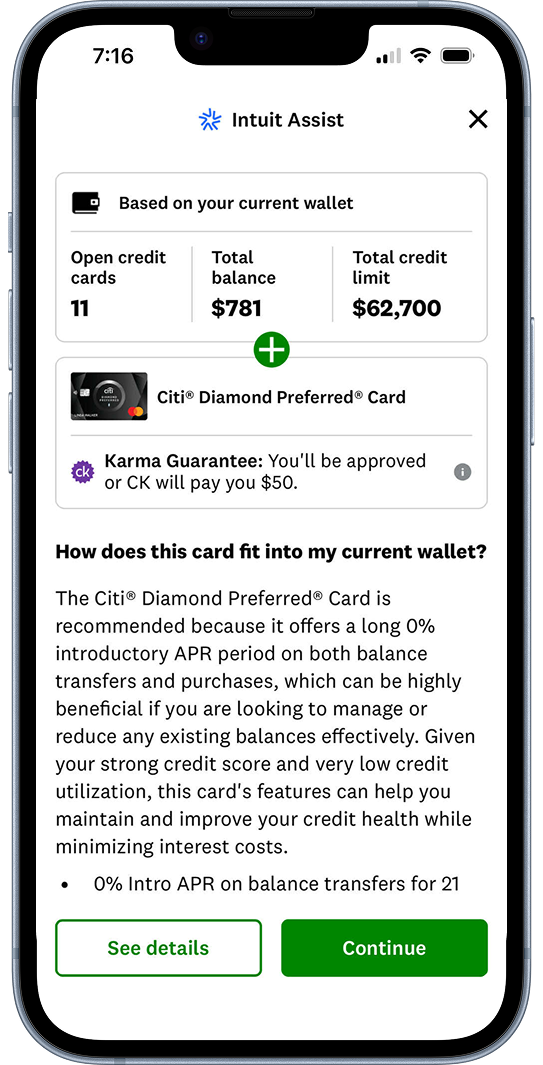
This insight reframed the opportunity: instead of simply surfacing more options, we needed to help users understand why a recommendation was being made. That led to exploring an AI-driven wallet analysis experience designed to increase transparency, relevance, and trust in the decision-making process.
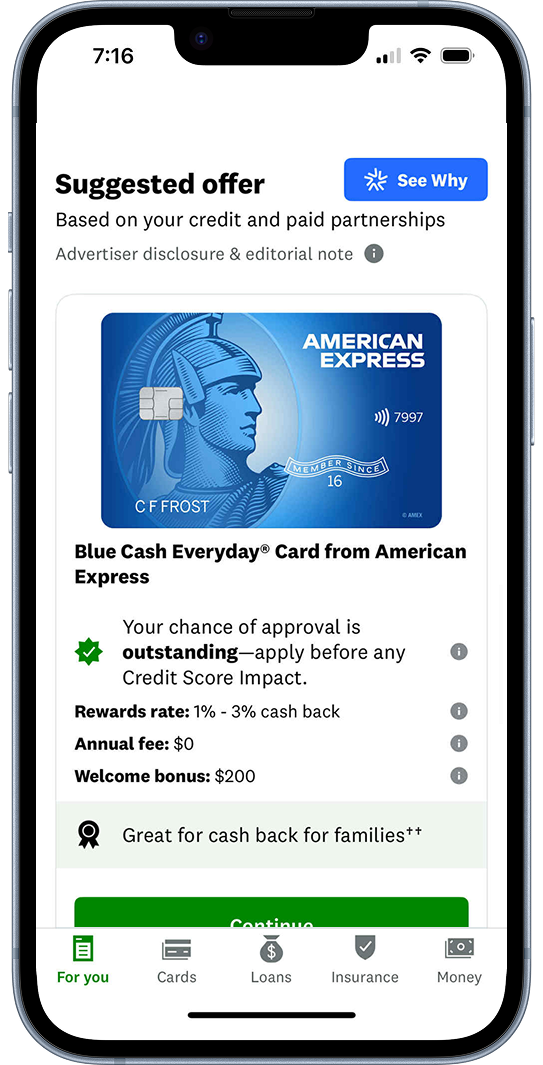
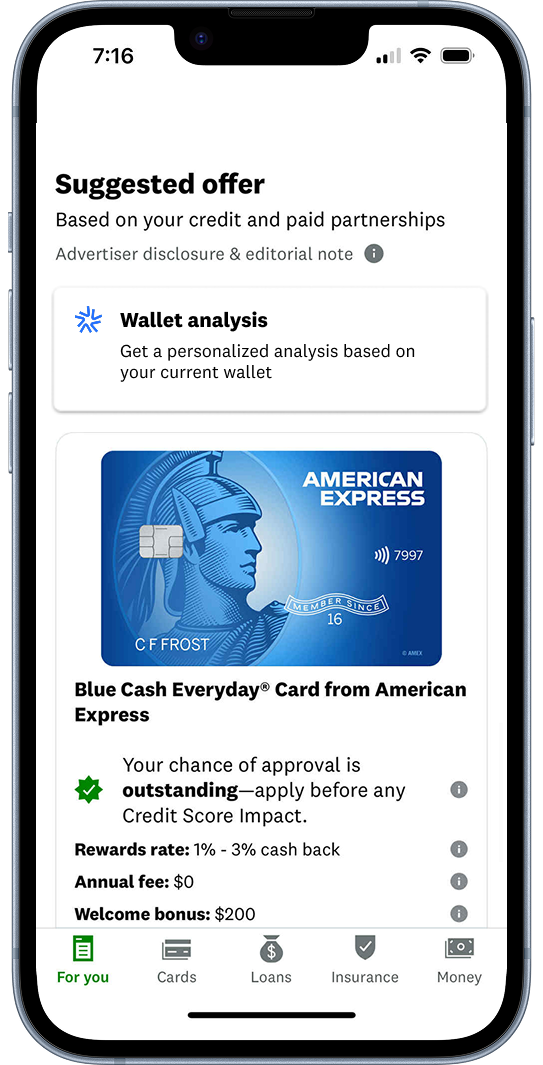
We explored two approaches to introducing the AI experience to users. A low-friction entry point and a more explicit version that included additional context about how the AI analysis worked.
The core question we were testing was how much explanation is required for users to trust and engage with an AI generated recommendation in a financial context.
We evaluated success using entry point engagement and credit card conversion rates, looking at both initial curiosity and downstream decision confidence.
This was Credit Karma’s first user-facing AI experience and it set the foundation for how we would approach AI across the Member Experience team.
The shopping assistant drove $6M in incremental annual revenue by increasing engagement with personalized recommendations. The entry point achieved a 5.2% click-through rate, contributed to a 6.5% credit card sign-up rate, and 42% of users reached 50% scroll depth, showing strong sustained engagement through the experience.
Beyond the metrics, the bigger impact was strategic. This work established an early model for how to introduce AI in a high-trust financial product, balancing visibility, explanation, and confidence in decision-making. These principles directly shaped how future AI experiences were designed and rolled out across the product.